
Every new gadget sparks a question: how fast will it catch on? Some guess for fun, others for profit. Betting on technology adoption is now a niche form of prediction market, one that treats public curiosity as a form of currency. From smartwatches to VR headsets, people wager not only on whether the tech will succeed but also when it will hit mainstream use. It’s data, emotion, and timing all rolled into one bet on 22Bet UG.
Understanding Adoption Betting
In these markets, people bet on how fast new technology spreads. For example, they might guess when half of all homes will have a smart speaker. The wagers act like forecasts. Odds adjust as new information appears, product delays, price cuts, or viral trends. This creates a living, breathing pulse of public sentiment toward innovation. It’s part prediction, part social experiment.
Why Tech Trends Make Great Bets
Technology adoption is unpredictable. One gadget becomes essential overnight; another vanishes without warning. That uncertainty attracts bettors. Every new device carries risk and reward, the same ingredients found in traditional markets. The excitement lies in guessing whether hype will become habit. It’s less about gambling and more about reading culture in motion.
The Psychology Behind Tech Wagers
Behind every prediction lies emotion. People bet on gadgets they think will succeed or fail. Optimists believe in progress. Skeptics doubt it. Together, their bets show how much people trust technology. Watching the odds shift feels like watching public mood change in real time.
From Bitcoin to Biometrics
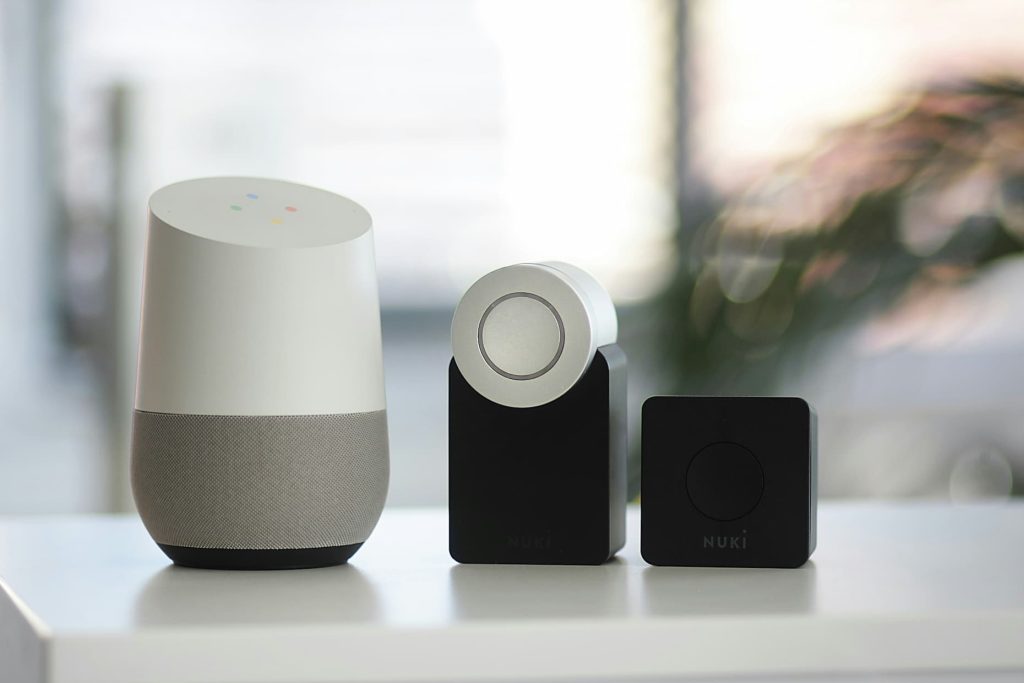
Not all tech bets are created equal. Some revolve around digital trends, like whether a blockchain payment app will gain a million users in six months. Others focus on physical devices, like AI glasses or biometric rings. Each carries its own adoption curve, influenced by cost, usability, and timing. Bettors who understand tech history often look for patterns; they know that novelty fades, but convenience sticks.
How Prediction Markets Work
Prediction platforms function like mini stock markets. Each possible outcome, say, “Yes, smart AR glasses will reach one million users by 2026”, is priced based on market confidence. Prices rise as more people buy in, signaling belief in that outcome. Who makes money depends on what actually happens. It’s like a group crystal ball that shows what people believe will happen before it does.
The Role of Data and Hype
Information moves these markets. A major announcement from a tech giant can instantly shift the odds. A bad product review can crush confidence overnight. Social media also plays a significant role; viral posts can make a gadget feel mainstream long before the numbers confirm it. Bettors learn to separate hype from habit, reading between the buzz to find lasting trends.
Why Speed Matters
The faster a technology spreads, the more it reveals about society. Adoption speed shows readiness for change. It reflects affordability, trust, and global reach. Bettors who predict this correctly aren’t just guessing; they’re identifying momentum. For example, those who saw early potential in wireless earbuds or crypto wallets likely recognized how lifestyle shifts drive rapid adoption.
Risks and Ethics of Betting on Innovation
While the concept is exciting, it raises ethical questions. Should people profit from predicting consumer behavior? Or from betting on technologies that might replace jobs? Some argue these markets turn human progress into a game. Others say they provide valuable insight into future trends. Like any form of betting, balance is key; curiosity shouldn’t become exploitation.